PART II: Islam, Reformism & Monarchy in Morocco

Constitutional reforms of 2011
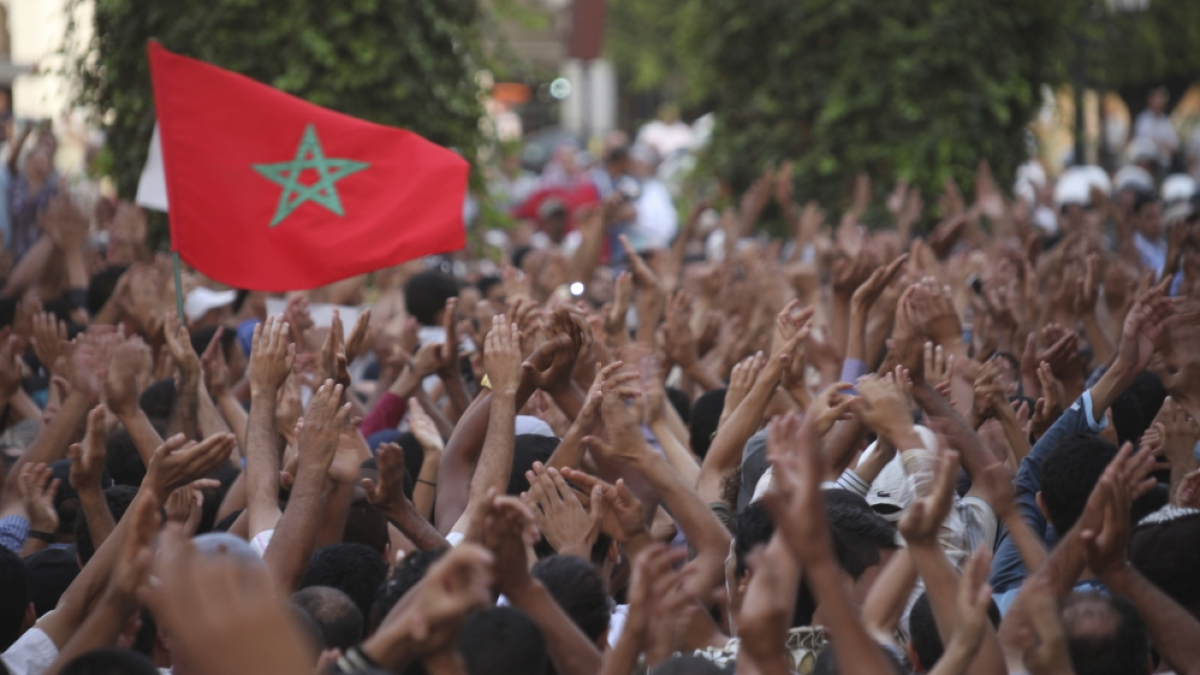
In the Moroccan context, what happened in 2011 was therefore not just the by-product of social and political imbalances, but of a long and unique legacy of institutionalized monarchical legitimacy reaching a breaking point. The king’s importance was now openly questioned as protests gave life to slogans like “ Down with Autocracy” or “ The people want the fall of corruption.”
However, protesters didn’t go to the extent of asking for the removal of Mohamed VI or for the end of the monarchy. Many explain this absence by Morocco’s more flexible response to the protests compared to its counterparts in North Africa: The death toll of protesters doesn’t nearly compare to the ones of Tunisia and Egypt, and the King introduced constitutional reforms by referendum in July 2011. This explanation suggests that the Moroccan government is an exceptional model in public order policy and of political openness in the Muslim world. This argument carries less weight when put in its context. The reality is, a big part of the Moroccan population shared anti-monarchical views. But a lot of them didn’t express the extent of their beliefs in fear of greater repression, as the course of events in other parts of the Muslim Arab world didn’t give hope for change. The political momentum in Morocco had therefore stalled, with counter-revolutions prevailing in Syria, Egypt, etc.
Some Moroccans knew this approach all too well. Back in 2004, the creation of the Equity and Reconciliation Commission also contributed to distorting this truth. Through financial or moral compensations, the monarchy was washed of its injustice and violations and was able to sanitize its image, priding itself on its ‘transitional justice’. The commission, however, didn’t prosecute actors in the ‘Years of Lead’ and didn’t allow reports of human rights violations since 1999, since Mohammed V’s enthronement.
Even for those who recognized Mohammed VI but simply wished for constitutional amendments, were marginalized. One day after the protests of the February 20 movement broke out, the Moroccan head of state described the demands as ‘demagoguery’.
Before constitutional concessions were announced, the state contained and controlled the movement until it couldn’t anymore. The July 2011 Constitution brought forward some of the changes demanded by protesters; one of the most important ones was the status of the monarch no longer being referred to as a “sacred” subject. While symbolic in its messaging, this didn’t really have a tangible impact on the functions of King, who still acts as Commander of the Faithful, and, through a new article, has his position made “inviolable ”. In effect, Moroccans are still under a monarch whose acceptance depends on their religious preeminence.
Despite the limited nature of the 2011 reforms and the lack of continuous protest activity, the February 20 Movement did achieve a crucial shift in popular consciousness, leading to momentum for later protests. This energy fueled the Hirak Rif Movement (2017-2018). Unlike 20FM, the Rif protests demonstrated an intensified, localized anti-monarchical discourse, involving much stronger confrontation with state police, explained by its long history of rebellion and political and economic marginalization.
relating to the current youth uprising in Morocco
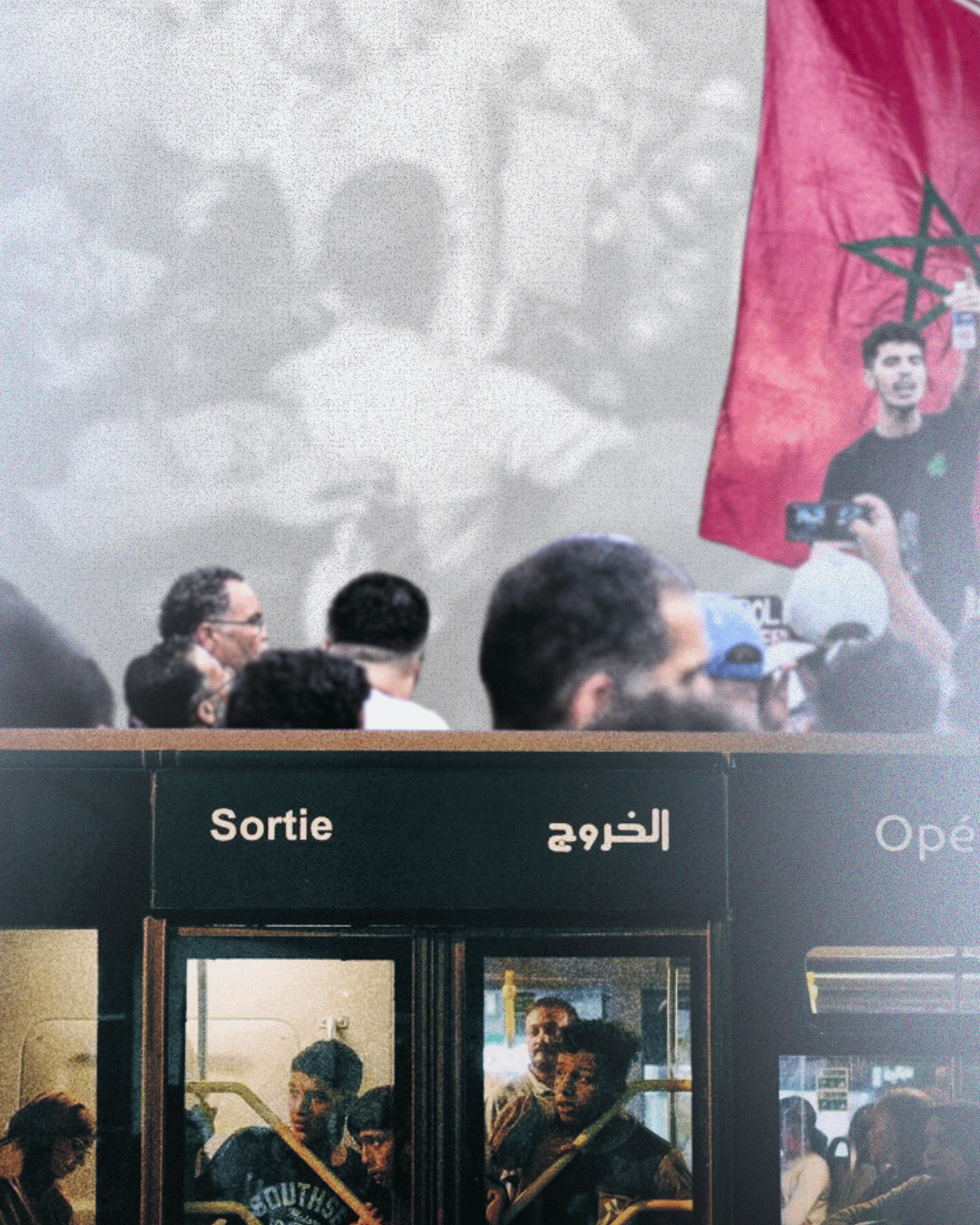
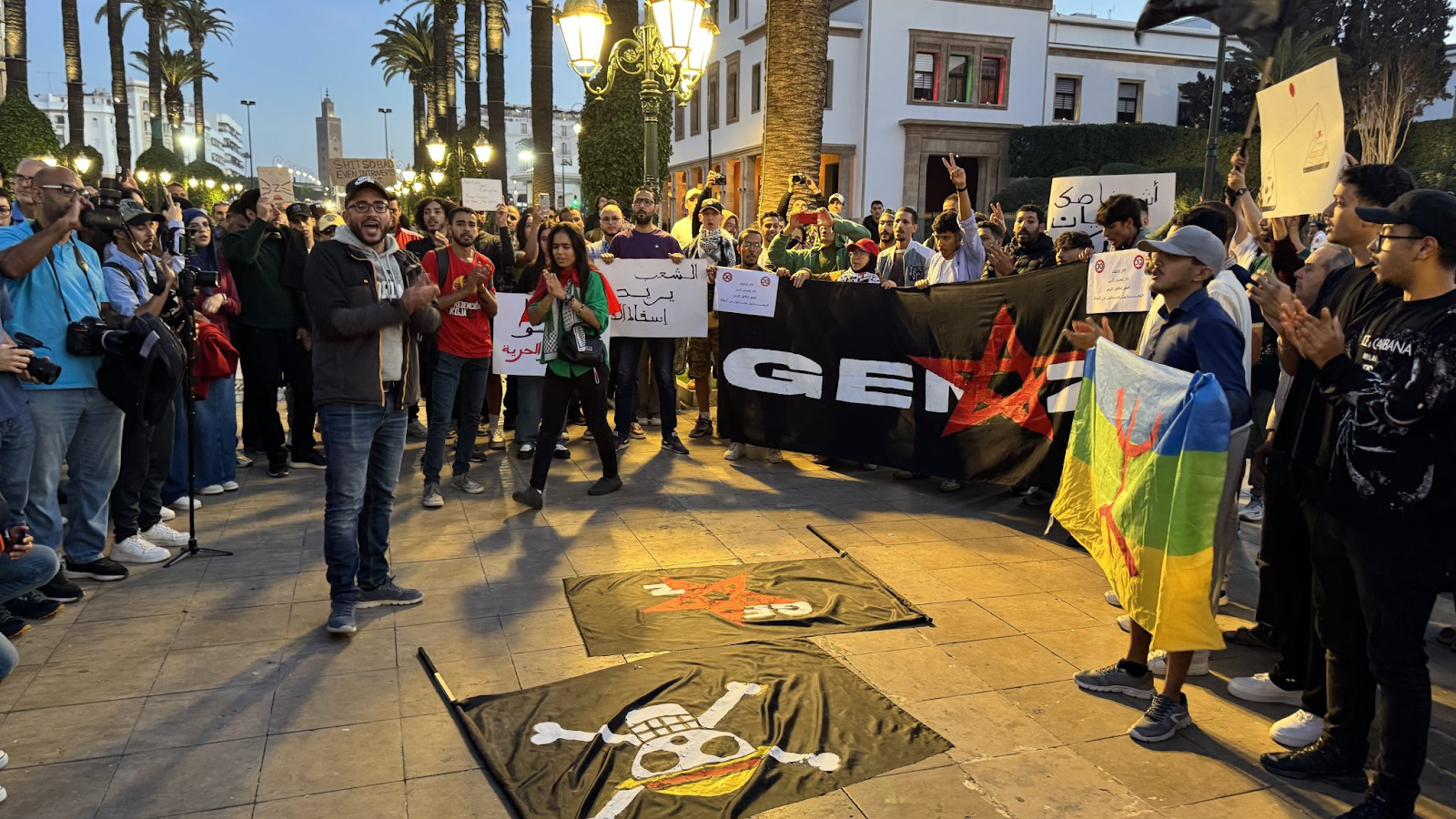
Fast forward to 2025, a new wave of protests has struck the country, except this time, a majority of the protests were youth-led, calling the movement Gen Z 212 across social media platforms. These emerged amid a rise in youth employment and widespread frustration over underfunded public services, such as healthcare and education. This also follows criticism of the billions invested in stadiums for the 2025 African Cup of Nations 2030 World Cup. What was different this time was the use of social media as a tool of organizing and country-wide coordinated mobilization, which has given a new dynamic and attitude in defying established powers, addressing their demands directly to the monarchy to deliver structural change.
The future
Regardless of ambitions and shifts in public opinion regarding the role and place of the monarchy over the years, as well as the unanimous Islamic position on hereditary monarchies, it is certain that a direct political transition would be tragic for its people, who have mostly ever known this governing system throughout its history. Most importantly, the concerns for Moroccan being what comes next. Overthrowing the monarchy would result in overthrowing the state; Fears of falling into greater bureaucratic failures and governance deceit make the incentive for regime change low for many, and the type of regime change that this often led to wasn’t preferable either (democratic or secular democratic deceit, or ultra-authoritarian).
Succeeding in this would require a credible alternative under which the Moroccan people are all united. And we might have seen the beginning of that with Gen Z 212.
REFERENCES
Web Sources:
Benomar, J. (1988). The monarchy, the Islamist movement and religious discourse in Morocco. Third World Quarterly, 10(2), 539–555. http://www.jstor.org/stable/3992656
Dalmasso, E., & Cavatorta, F. (2011). Political Islam in Morocco: Negotiating the Kingdom’s liberal space. Contemporary Arab Affairs, 4(4), 484–500. https://www.jstor.org/stable/48599777
Garcia-Arenal, M. (2008). Ahmad al-Mansur: The beginnings of modern Morocco. Oneworld Academic.
Mekouar, M. (2018). Beyond the model reform image: Morocco’s politics of elite co-optation (GIGA Focus Middle East, No. 3). German Institute for Global and Area Studies.
Sater, J. N. (2011, October 1). Morocco’s “Arab” Spring. Middle East Institute. https://www.mei.edu/publications/moroccos-arab-spring
Chambre des Représentants (Morocco). (1962). Constitution de 1962 [PDF]. Retrieved from https://www.chambredesrepresentants.ma/sites/default/files/constitution_1962.pdf
Wagner, D. A., & Lotfi, A. (1980). Traditional Islamic education in Morocco: Sociohistorical and psychological perspectives. Comparative Education Review, 24(2), 238–251. https://doi.org/10.1086/446118
Amouzai, A. (2021, October 27). The February 20 movement in Morocco: Roots of failure and lessons for the future. Transnational Institute. (Y. Haj, Trans.) https://longreads.tni.org/the-february-20-movement-in-morocco.html
Colin, F. (2025, October 16). Gen Z 212 earthquake: Youth shaking Morocco's politics. Arab Reform Initiative. https://www.arab-reform.net/publication/gen-z-212-earthquake-youth-shaking-moroccos-politics/
Sheline, A. (2019, March 31). Royal religious authority: Morocco’s “Commander of the Faithful” (Research Paper). James A. Baker III Institute for Public Policy. https://www.bakerinstitute.org/research/royal-religious-authority-moroccos-commander-faithful/
Fasanotti, F. S. (2025, December 3). Gen-Z protests ignite across Morocco. GIS Reports Online. https://www.gisreportsonline.com/r/gen-z-protests-ignite-across-morocco/